


Cart
0


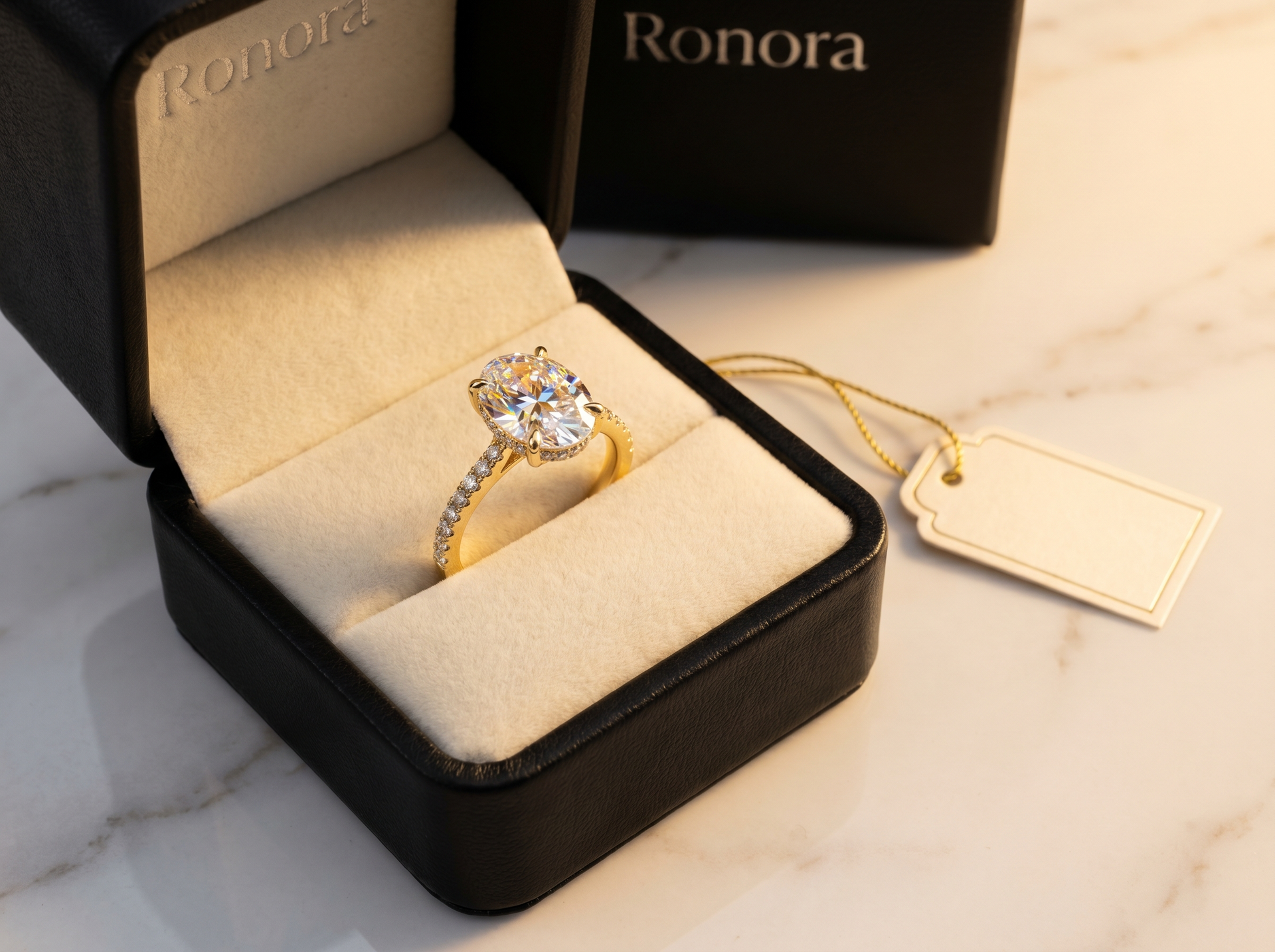

This is one of the most searched questions about lab grown diamonds, and it deserves an honest answer rather than a sales pitch. So here it is, as clearly as possible: yes, lab grown diamond rings are worth it for most buyers. But worth it means different things to different people, so let us break it down properly.

What You Get for the Money
A lab grown diamond in VVS clarity and D color costs around 70 to 85 percent less than a mined diamond with identical specifications. That is not a small difference. It means a buyer with a $3,000 budget can access a 2 to 3 carat lab grown diamond in the top clarity and color grades. The same budget for a mined diamond would get a much smaller stone, likely in a lower clarity or color grade.
The diamond itself is identical in every measurable way. Same carbon structure, same hardness, same refractive index, same cut grades, same IGI or GIA certification. You are not compromising on the material. You are paying less because the supply chain is shorter and because lab grown diamonds do not require extractive mining operations.
The Resale Value Question
This is the part where honesty matters. Lab grown diamonds do not hold their value the way rare mined diamonds can. Lab grown diamond prices have dropped significantly over the past five years as production has scaled. If you plan to resell your ring in ten years, a lab grown diamond will likely sell for less than you paid for it.
However, it is worth asking whether resale value was ever the real point of an engagement ring. Most mined diamonds also lose 30 to 50 percent of their retail value the moment you walk out of the jeweller. The idea that mined diamonds are strong investment assets is largely a marketing position from the diamond industry, not a financial reality for most buyers.
If you are buying a diamond as a long-term investment, neither lab grown nor mined diamonds are the right vehicle. If you are buying a ring to wear and to mean something, the resale question matters a lot less.
Quality at Ronora: What Worth It Actually Looks Like
At Ronora, every lab grown diamond is VVS clarity and D-E-F colorless. These are not compromise grades. VVS means very very slightly included, which is essentially eye-clean and loupe-clean. D-E-F colorless means the stone has no visible colour when viewed from above. These are the grades used in fine jewellery by buyers who would never accept anything less.
For stones above 1 carat, every diamond includes IGI certification, giving you a grading report that confirms exactly what you are getting.

Who Lab Grown Diamonds Are Worth It For
Lab grown diamonds are worth it if you want the best possible stone quality within your budget. They are worth it if you want a conflict-free diamond with a clear supply chain. They are worth it if the size and brilliance of the ring matters more to you than its origin story.
Lab grown diamonds are less suited to buyers who place high value on geological rarity and who view the ring primarily as a financial asset. For those buyers, mined diamonds carry meaning that lab grown diamonds do not, and that is a completely valid position.
For the majority of buyers buying an engagement ring to celebrate a relationship, lab grown diamonds represent significantly better value with no compromise on beauty or quality.

The Short Version
Yes, lab grown diamond rings are worth it. You get the same diamond at a fraction of the price, in the top quality grades, with independent certification. The only thing you do not get is geological origin and the resale speculation that comes with scarcity. For most people buying an engagement ring, that trade is straightforward.
Explore Ronora's full engagement ring collection or browse all lab grown diamond rings here.
Frequently Asked Questions
Is there a downside to lab-grown diamonds?
The main downside is lower resale value compared to mined diamonds. Lab grown diamond prices have declined as production scaled, meaning a stone bought today will likely resell for less. For buyers wearing the ring rather than reselling it, this has no practical impact on quality or appearance.
Why do jewelers not like lab grown diamonds?
Traditional jewelers who stock mined diamonds earn higher margins on natural stones. Lab grown diamonds disrupt that model by offering buyers equivalent quality at a much lower price. The diamonds themselves are not inferior -- the resistance from some jewelers is commercial, not scientific.
Are lab grown diamonds as brilliant as mined diamonds?
Yes. Lab grown diamonds have the same refractive index as mined diamonds and produce the same fire, brilliance, and scintillation. A well-cut VVS D-color lab grown diamond is visually indistinguishable from a mined stone of the same grades.
Does Tiffany sell lab grown diamonds?
No. Tiffany does not sell lab grown diamonds. They have publicly stated their commitment to mined natural diamonds. Brands like Ronora focus exclusively on CVD lab grown diamonds, offering the same quality grades at a significantly more accessible price point.


